
Astra 6 and 3D Design: Can AI Build Models Directly in Blender?
GPT-6 Astra introduces an important shift in AI-assisted 3D workflows: instead of only generating images, it can interact with software such as Blender and help create actual 3D scenes. Here is why this matters for architects and 3D designers.
For years, generative AI in architecture has mainly been associated with images: upload a SketchUp screenshot, write a Prompt, and generate a more realistic visualization.
GPT-6 Astra introduces a potentially more important direction for 3D designers: AI that can work inside 3D software and help build the scene itself.
From Image Generation to 3D Work
One of Astra's notable capabilities is its ability to operate computer interfaces and work through multi-step tasks. Recent demonstrations have included using Blender to create 3D models, rather than simply generating a 2D image that looks like a model.
This distinction is important.
An AI-generated render is essentially an image. A Blender scene, on the other hand, can contain editable geometry, objects, cameras, materials and lighting that a designer can continue developing.
What Can Astra 6 Do in Blender?
Current demonstrations show Astra performing multi-step 3D workflows in Blender, including creating geometry and building scenes through interaction with the software.
For a 3D designer, this points toward workflows where a natural-language instruction could help with tasks such as:
Creating initial 3D geometry
Building and organizing objects
Setting up a scene
Preparing materials
Adjusting cameras and lighting
Iterating on an existing model
Automating repetitive software operations
The important idea is that AI is beginning to move from telling the designer how to use the software toward performing parts of the workflow itself.
Why Is This Important for Architects?
Imagine providing reference material and asking AI to create an initial 3D model in Blender.
Instead of spending all the project's time on repetitive modeling operations, the architect could potentially use AI to create a starting point and then concentrate on:
Design → Review → Correction → Detailing → Presentation
This could be particularly useful during concept development, visualization and rapid prototyping.
Can It Replace SketchUp or 3D Designers?
Not yet—and that is not the best way to understand the technology.
A model that looks convincing is not automatically dimensionally accurate or technically correct. Architectural work requires control over dimensions, construction systems, materials, regulations and design intent.
For professional architectural projects, AI-generated geometry therefore needs to be inspected and corrected by the designer.
The immediate value of Astra is more likely to be accelerating 3D production rather than eliminating professional 3D workflows.
A New 3D Workflow
The traditional workflow might look like:
Idea → Manual Modeling → Materials → Lighting → Render
AI-assisted workflows could increasingly become:
Idea / Reference → Prompt → Astra + 3D Software → Editable Model → Designer Review → Refinement → Render
The major difference is that the Prompt is no longer used only to generate the final image. It can become an instruction for performing work inside the 3D environment.
What Does This Mean for 3D Designers?
The skill set may gradually shift.
Knowing Blender, SketchUp, 3ds Max or other 3D software remains valuable, but designers may increasingly combine software knowledge with:
Prompt writing
AI workflow design
Reference preparation
Model inspection
Geometry correction
Art direction
Quality control
The designer becomes responsible not only for creating geometry, but also for directing and validating AI-generated work.
Conclusion
GPT-6 Astra represents an interesting development for 3D design because AI is moving beyond generating attractive images toward interacting with the software used to create actual digital assets.
For architects and 3D designers, the most promising use is not asking AI to replace the entire workflow. It is using AI to reduce repetitive modeling work, accelerate experimentation and produce a starting point that the designer can refine.
The future workflow may therefore become less about:
“Model everything manually.”
and more about:
“Describe → Generate → Inspect → Correct → Develop.”
Sources
Reuters – OpenAI launches new Astra model, September 2026
https://www.reuters.com/legal/litigation/openai-launches-new-astra-model-amid-growing-scrutiny-over-agents-safety-2026-09-03/Creative Bloq – GPT-6 Astra and its 3D/Blender demonstrations
https://www.creativebloq.com/ai/even-just-the-advert-for-chatgpt-6-astra-is-creating-controversyBilibili – GPT-6 Astra 3D and Blender workflow demonstrations
https://www.bilibili.com/video/BV1WDte65Etj/Related articles
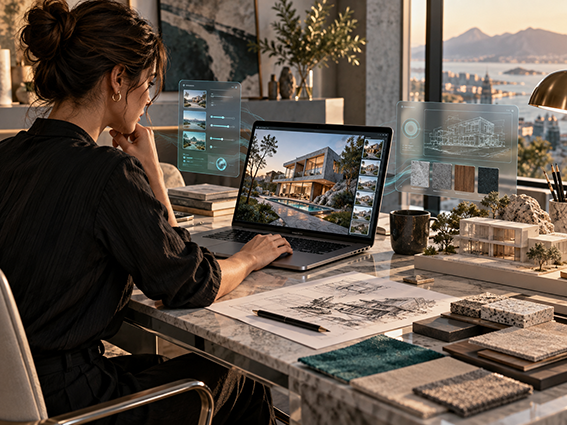
How to Write Professional AI Prompts for Architecture
A good architectural AI prompt is more than a description. Learn a simple prompt framework that helps architects communicate the project, task, design constraints and desired output more clearly.
Read article →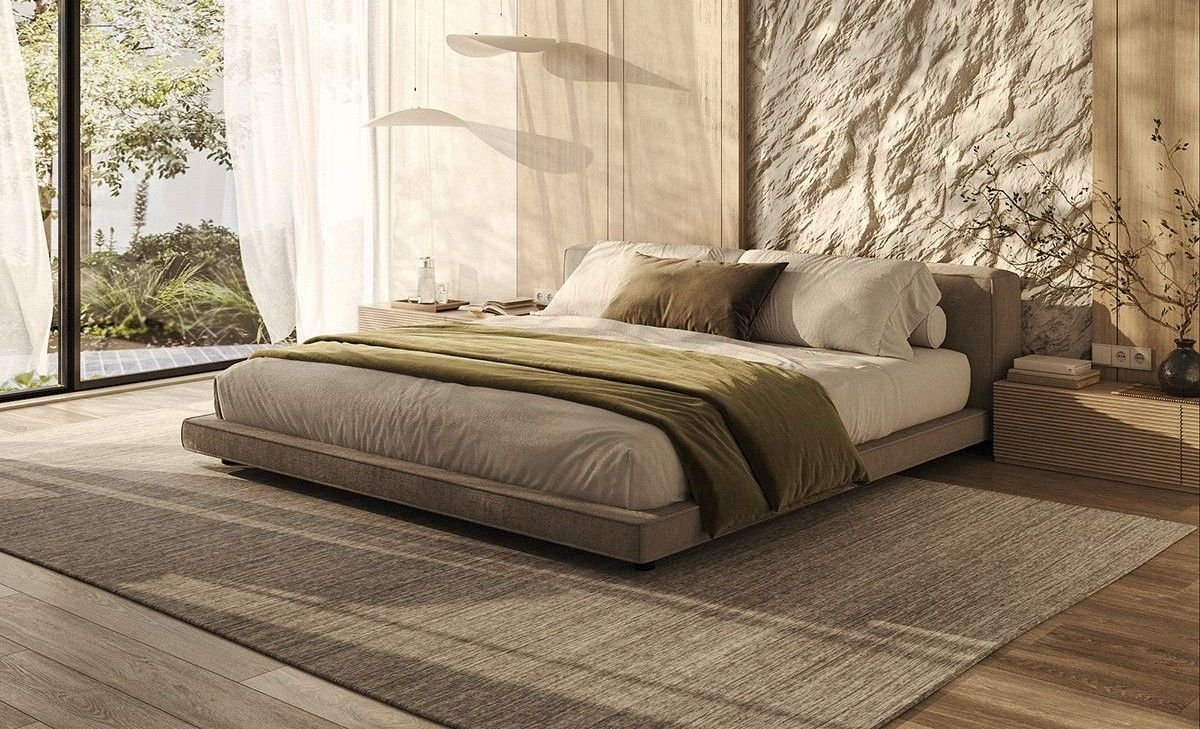
Bedroom Design: Comfort, Lighting, and Color Selection
A successful bedroom should combine comfort, practical lighting, balanced colors, and an efficient furniture layout. Learn the key principles for designing a relaxing and visually cohesive bedroom.
Read article →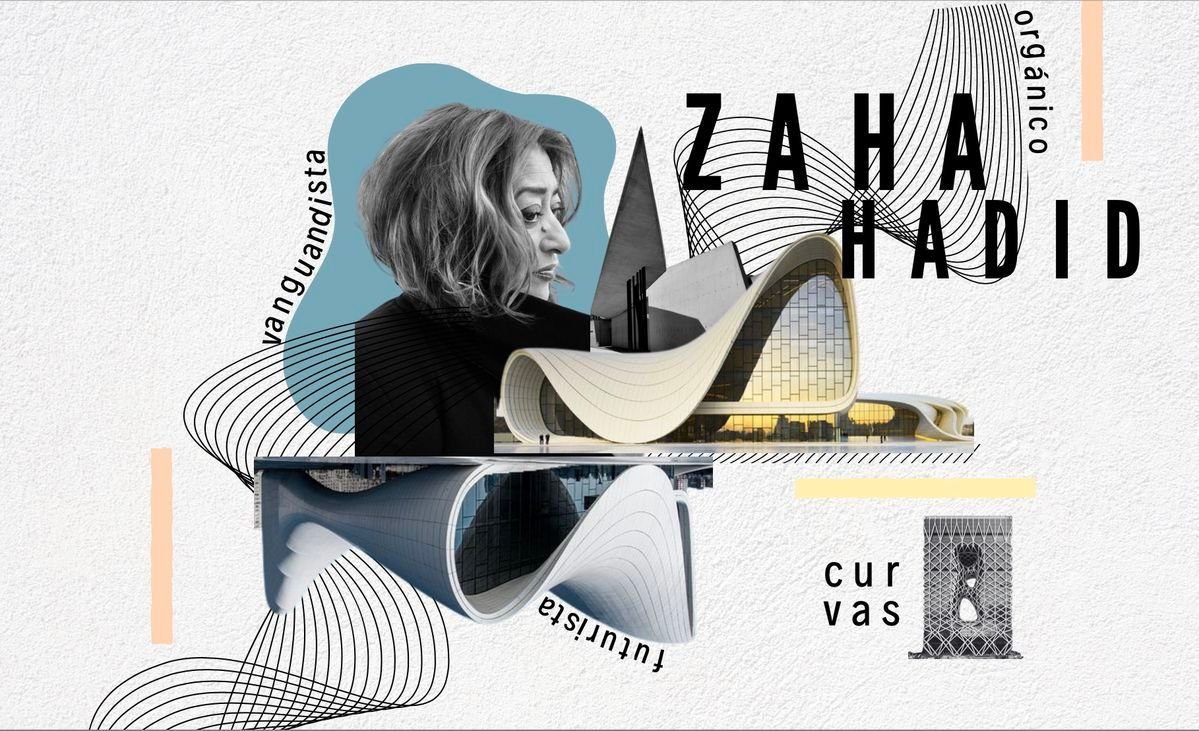
Zaha Hadid: The Architect Who Redefined Modern Architecture
Zaha Hadid transformed contemporary architecture with bold geometry, fluid spaces, and designs once considered almost impossible to build. Discover her journey, architectural style, major projects, and lasting influence on architecture.
Read article →