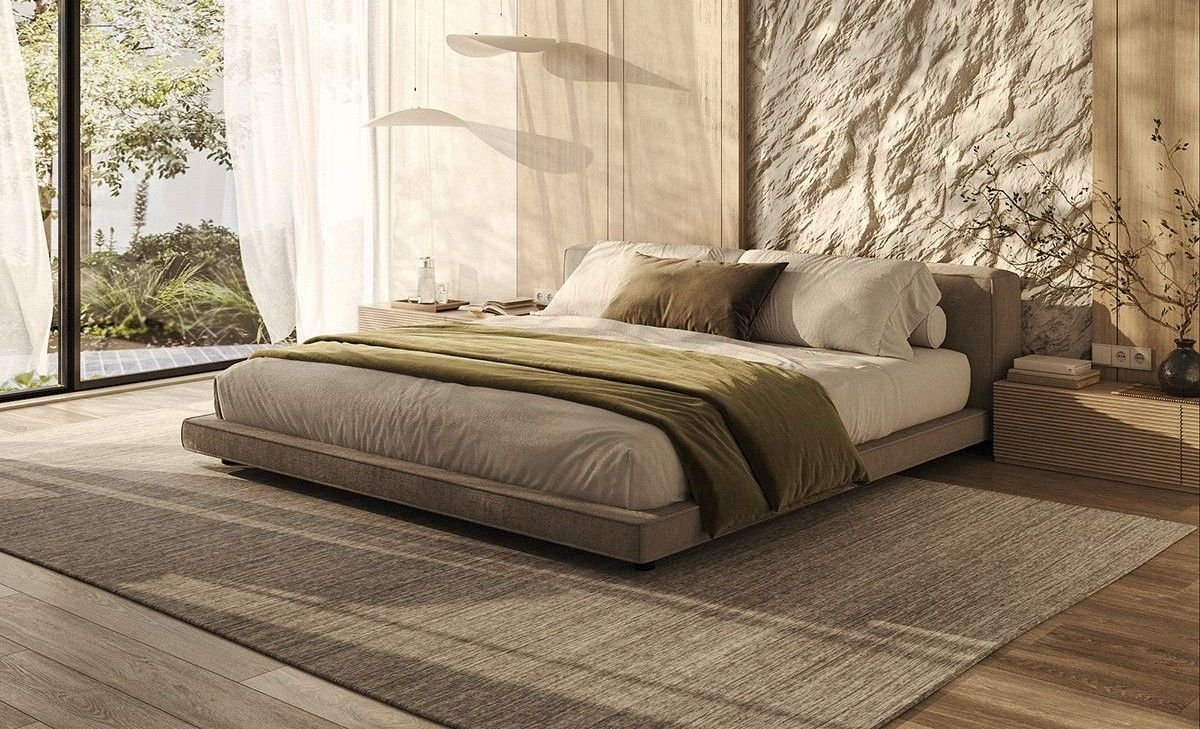
Bedroom Design: Comfort, Lighting, and Color Selection
A successful bedroom should combine comfort, practical lighting, balanced colors, and an efficient furniture layout. Learn the key principles for designing a relaxing and visually cohesive bedroom.
Bedroom Design: Comfort, Lighting, and Color Selection
The bedroom is one of the most personal spaces in a home. Unlike living rooms and reception areas, its design should prioritize rest, privacy, and everyday comfort before visual impact.
A successful bedroom therefore depends on several connected elements: furniture layout, lighting, colors, materials, storage, and the overall atmosphere of the space.
Comfort Comes Before Decoration
A beautiful bedroom that is uncomfortable to use is not a successful design.
The bed is normally the visual and functional center of the room, so its location should be considered before adding decorative elements. Circulation around the bed, access to wardrobes, doors, and windows, and the position of bedside tables should all be studied carefully.
Try to avoid filling every empty corner with furniture. Maintaining comfortable circulation and reducing unnecessary clutter can make a bedroom feel calmer and more spacious.
Sleep Foundation also recommends creating a bedroom that is dark, quiet, comfortably cool, uncluttered, and arranged in a way that supports relaxation and sleep.
Source: Sleep Foundation – How to Set Up a Bedroom for Better Sleep
https://www.sleepfoundation.org/bedroom-environment/how-to-design-the-ideal-bedroom-for-sleepUse Layered Lighting
One ceiling fixture is rarely enough for a well-designed bedroom.
A better approach is to create several lighting layers with different purposes.
Ambient Lighting
This provides the general illumination of the room and may come from ceiling fixtures, recessed lights, indirect lighting, or other general light sources.
It should provide enough illumination for normal movement without making the bedroom feel excessively bright.
Task Lighting
Task lighting is used for specific activities.
Bedside reading lights are a common example. A dressing table, desk, or wardrobe area may also require dedicated lighting depending on the bedroom layout.
Accent and Indirect Lighting
Indirect LED strips, wall lights, decorative pendants, or concealed lighting can create depth and highlight architectural or decorative elements.
They should support the overall atmosphere rather than overwhelm it.
Warm Light for the Evening
The bedroom has different lighting requirements during the day and before sleep.
Natural daylight is useful during daytime, while excessive bright and cool-toned light late in the evening can interfere with the body's transition toward sleep.
Sleep Foundation notes that darkness is generally best during sleep and that dim, warmer light is preferable when light is needed before bedtime. Bright and cool-colored light can promote alertness, while warm hues such as yellow and orange are more appropriate for the evening.
Source: Sleep Foundation – What Color Light Helps You Sleep?
https://www.sleepfoundation.org/bedroom-environment/what-color-light-helps-you-sleepFor interior design, this means bedroom lighting should ideally be dimmable or divided into separate circuits so users do not need to operate every light at full brightness.
How to Choose Bedroom Colors
There is no single perfect bedroom color.
The correct choice depends on the room size, natural light, furniture, materials, and the atmosphere you want to create.
Soft neutrals such as warm white, beige, greige, and taupe are versatile choices because they provide a calm background for wood, fabrics, artwork, and furniture.
Muted blues and greens can also create a relaxed character when used appropriately.
Sherwin-Williams recommends considering both room size and natural lighting when choosing bedroom paint. Lighter shades can visually open smaller rooms, while darker colors can create a more intimate atmosphere.
Source: Sherwin-Williams – How to Choose Bedroom Colors
https://www.sherwin-williams.com/en-us/project-center/paint/how-to-choose-bedroom-colorsNever Choose Paint Without Considering Light
A common interior design mistake is selecting a wall color from a small sample without testing it inside the actual room.
Natural light changes throughout the day, while artificial lighting can significantly change how warm, cool, bright, or muted a color appears.
Room orientation also matters. Sherwin-Williams notes that the amount and direction of natural light affect how colors appear and recommends considering Light Reflectance Value (LRV), which indicates how much light a paint color reflects.
Source: Sherwin-Williams – Choosing Paint Colors Based on Room Direction
https://www.sherwin-williams.com/en-us/project-center/paint/color-by-room-orientationTesting paint samples on the actual bedroom walls and observing them during both daytime and nighttime is therefore a practical step before making a final decision.
Materials and Textures Matter
Color alone does not create a comfortable bedroom.
Texture plays an equally important role.
A simple palette can become visually rich through combinations such as:
Natural wood.
Upholstered headboards.
Linen or cotton bedding.
Rugs.
Curtains.
Matte painted surfaces.
Stone or subtle metallic details.
Instead of introducing too many colors, designers can use different textures within a limited palette to add depth while maintaining a calm visual environment.
Control Natural Light
Windows provide valuable daylight, but bedrooms also require privacy and darkness when sleeping.
A practical solution is to combine different window treatments. Sheer curtains can soften daylight and provide some daytime privacy, while blackout curtains or blinds can significantly reduce external light when sleeping.
Sleep Foundation specifically recommends blackout curtains for bedrooms exposed to substantial exterior light because reducing nighttime light helps create a more sleep-friendly environment.
Source: Sleep Foundation – Light and Sleep
https://www.sleepfoundation.org/bedroom-environment/light-and-sleepCommon Bedroom Design Mistakes
Several mistakes can reduce both comfort and visual quality:
Using only one strong ceiling light.
Choosing furniture that is too large for the room.
Blocking comfortable circulation around the bed.
Selecting paint without testing it under actual lighting.
Using too many competing colors and materials.
Ignoring storage requirements.
Using excessive decorative lighting.
Allowing strong exterior light into the room during sleep.
Prioritizing appearance over everyday functionality.
Conclusion
Good bedroom design is not about adding more decoration. It is about creating the right balance between comfort, lighting, color, materials, storage, and circulation.
Start with the bed and furniture layout, then develop layered lighting, choose colors according to the room's natural light, and use materials and textures to create warmth and character.
When these elements work together, the bedroom becomes more than an attractive interior—it becomes a comfortable and functional space designed for rest.
Related articles

Astra 6 and 3D Design: Can AI Build Models Directly in Blender?
GPT-6 Astra introduces an important shift in AI-assisted 3D workflows: instead of only generating images, it can interact with software such as Blender and help create actual 3D scenes. Here is why this matters for architects and 3D designers.
Read article →
How to Write Professional AI Prompts for Architecture
A good architectural AI prompt is more than a description. Learn a simple prompt framework that helps architects communicate the project, task, design constraints and desired output more clearly.
Read article →
Zaha Hadid: The Architect Who Redefined Modern Architecture
Zaha Hadid transformed contemporary architecture with bold geometry, fluid spaces, and designs once considered almost impossible to build. Discover her journey, architectural style, major projects, and lasting influence on architecture.
Read article →