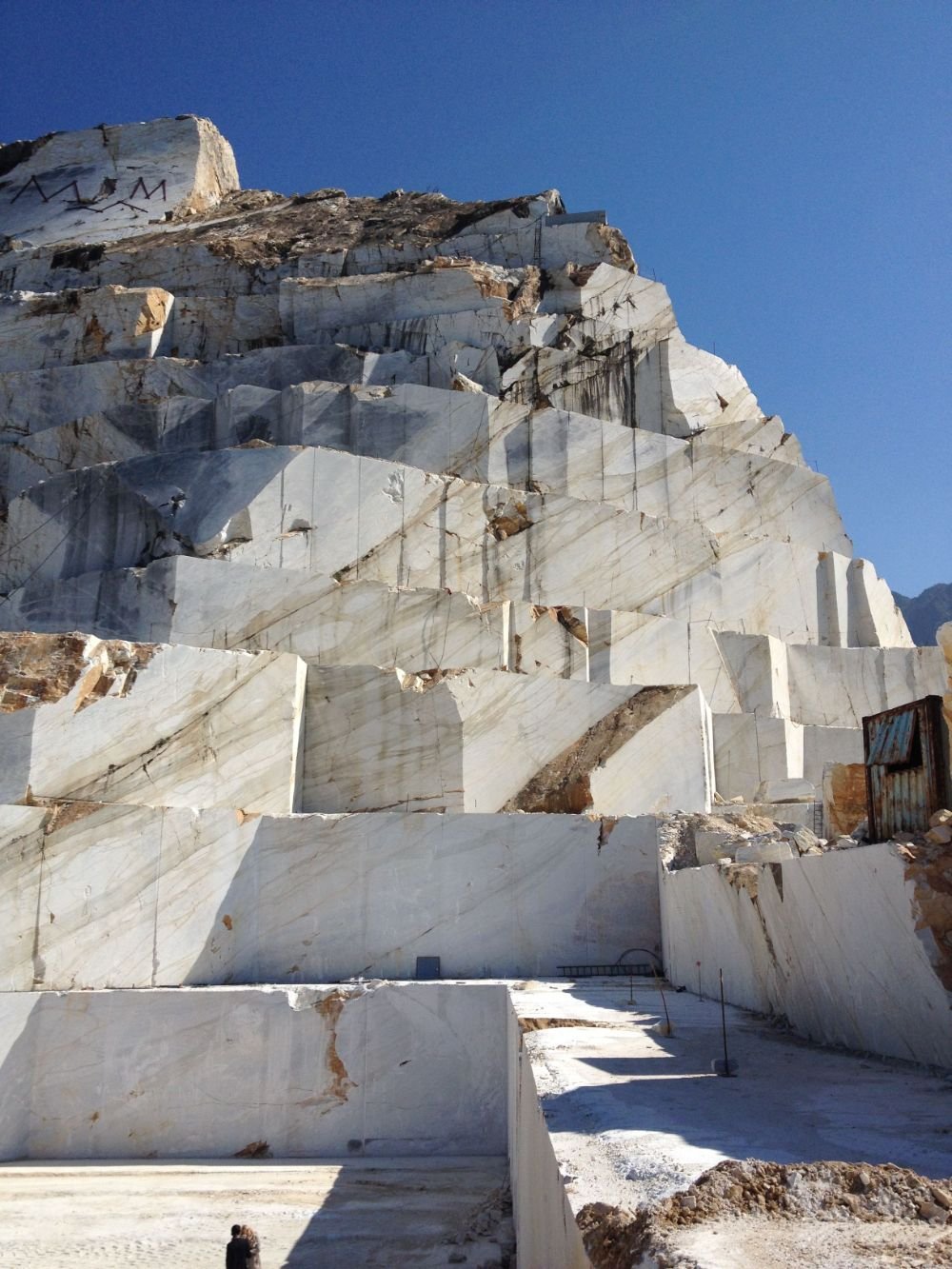
How Is Natural Marble Extracted from Mountains?
Natural marble reaches our floors, walls and countertops only after a carefully controlled quarrying process. Here is a quick look at how massive marble blocks are extracted from mountains and transformed into usable slabs.
Marble used in architecture and interior design begins its journey inside natural rock formations. Before becoming polished slabs for floors, walls and countertops, large blocks must first be carefully separated from the rock mass in a quarry.
1. Identifying the Marble Deposit
The process begins by studying the geological deposit and evaluating the quality, color, veining and potential defects of the marble.
Once a commercially suitable area is identified, quarry development begins and access is created to the marble deposit.
2. Preparing the Quarry
Quarries are commonly developed in stepped levels known as benches. Unusable surface material may first need to be removed to expose the valuable stone.
The objective is to extract large blocks while minimizing unnecessary cracking and damage.
3. Cutting the Marble
Modern natural-stone quarrying can use diamond wire saws. Holes are drilled to allow a diamond-segmented wire to pass around the section of stone that needs to be separated.
The wire moves continuously through the rock, gradually cutting the required faces of the block.
Diamond cutting provides greater control than aggressive extraction techniques that could introduce unwanted cracks into valuable stone.
4. Separating and Moving the Blocks
After the marble section has been cut, quarry equipment is used to separate and safely move the large stone mass.
It can then be divided into smaller rectangular quarry blocks suitable for handling and transportation.
5. From Blocks to Marble Slabs
Selected blocks are transported to stone-processing facilities, where they are cut into slabs using specialized equipment.
The slabs then go through additional processes depending on the required product, including surface finishing, cutting to final dimensions and polishing or honing.
The result is the natural marble we see in:
Floors
Wall cladding
Bathrooms
Countertops
Stairs
Architectural features
Conclusion
Extracting natural marble is a combination of geology, heavy equipment and precision cutting. The process begins with a massive rock formation and ends with carefully processed slabs ready for architectural and interior applications.
The veins and color variations visible in the finished marble are natural characteristics developed during the geological formation of the stone, making every block and slab unique.
Sources
Natural Stone Institute – Marble, Onyx & Serpentine
https://www.naturalstoneinstitute.org/consumers/varieties/marble/Natural Stone Institute – From the Quarry to the Kitchen
https://www.naturalstoneinstitute.org/consumers/videos/quarry-video/Natural Stone Institute – Building Stone Magazine, Quarrying Technology
https://www.naturalstoneinstitute.org/default/assets/file/bsm/2007/2007_bsi_spring.pdfRelated articles
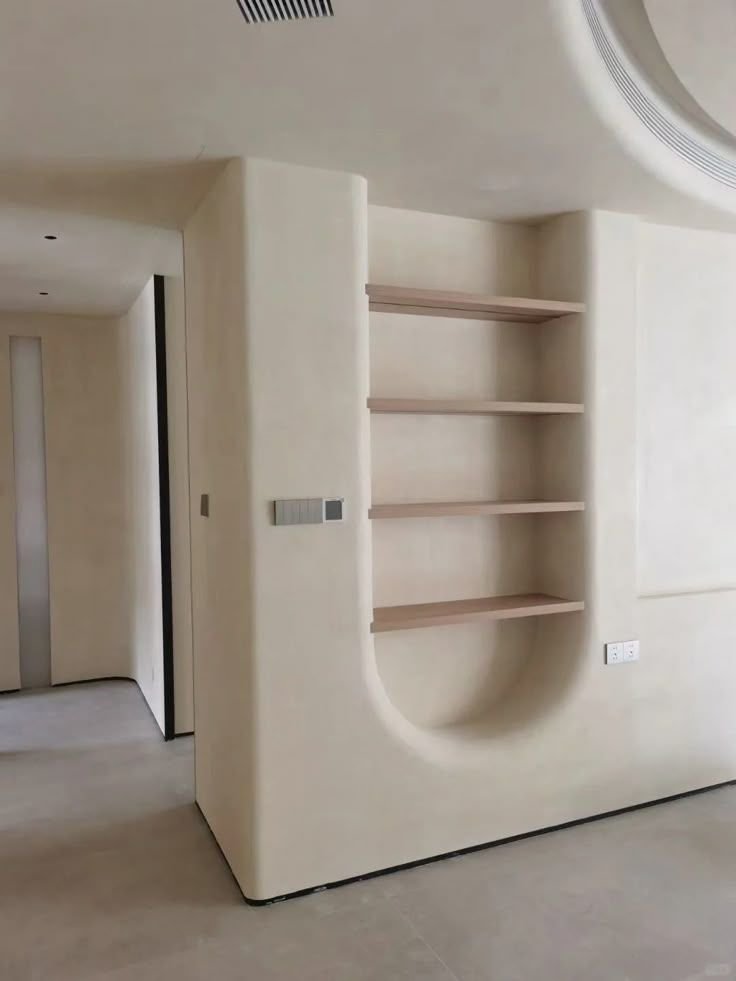
Microcement: Uses, Advantages and Key Considerations
Microcement is a thin decorative coating used to create seamless contemporary surfaces on floors, walls and furniture. Here is a quick guide to its uses, advantages and installation considerations.
Read article →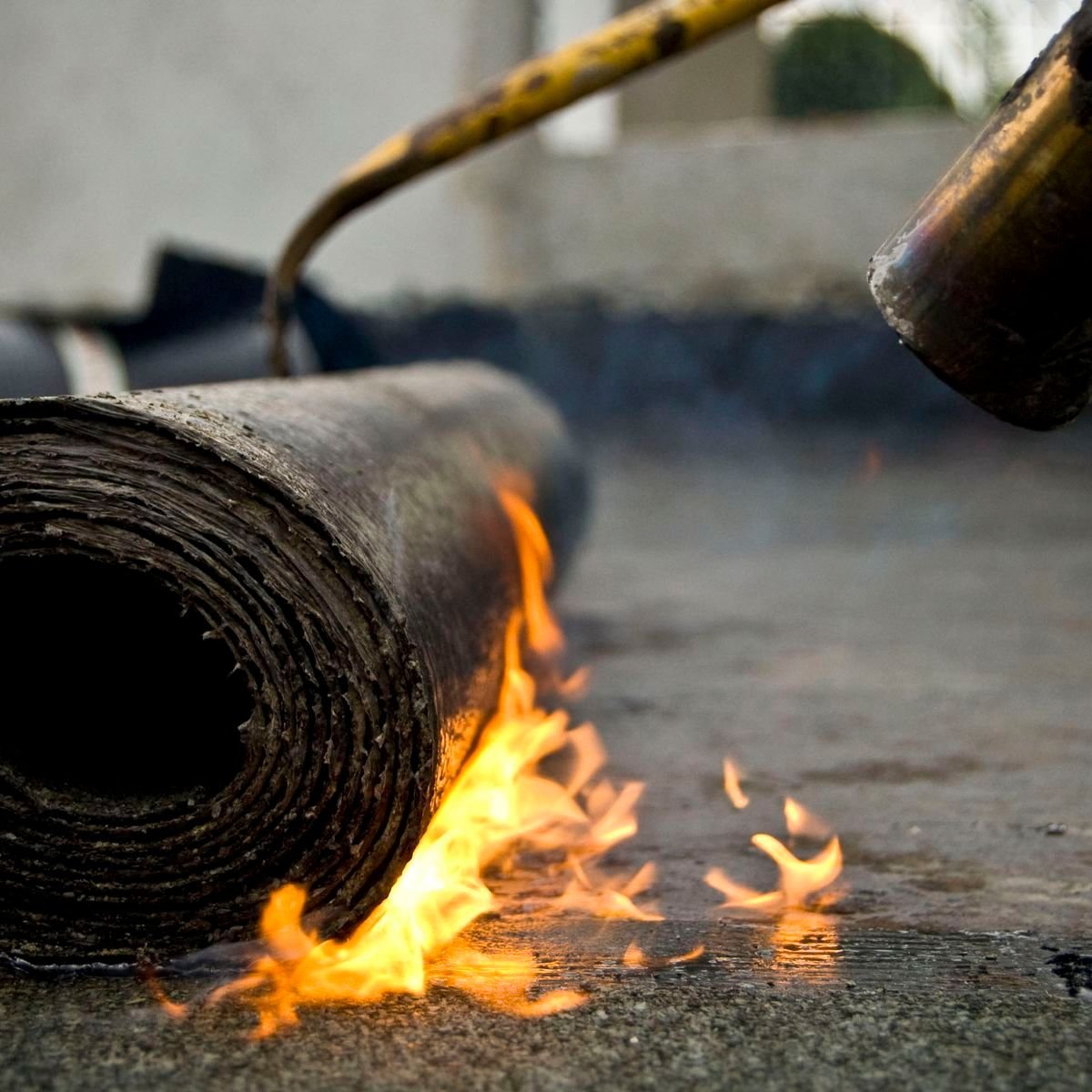
Waterproofing Methods: Main Types and Applications in Buildings
Waterproofing protects buildings from water penetration and moisture-related damage. Learn the main waterproofing methods used for roofs, bathrooms, foundations, basements and other critical areas.
Read article →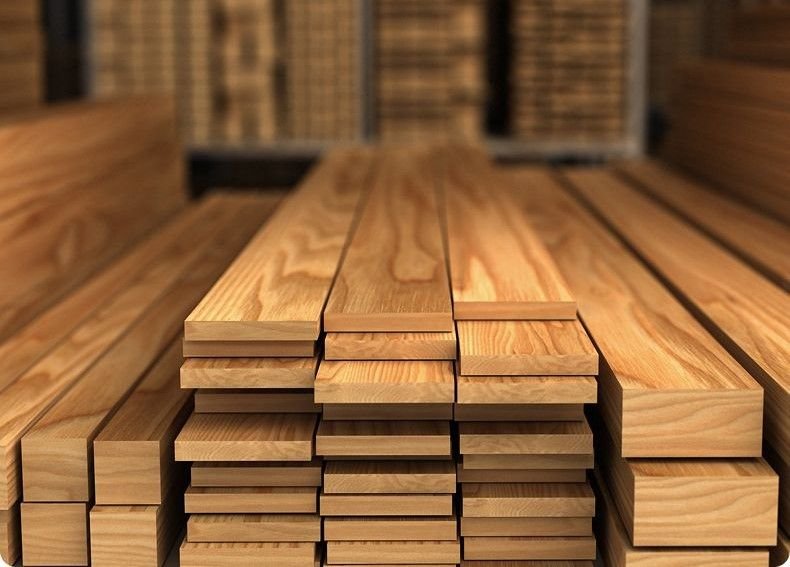
Most Important Types of Wood for Interior Design and Construction
A practical guide to the most common types of wood used in interior design, furniture and construction, from oak and walnut to pine, plywood and MDF, with their main characteristics and applications.
Read article →