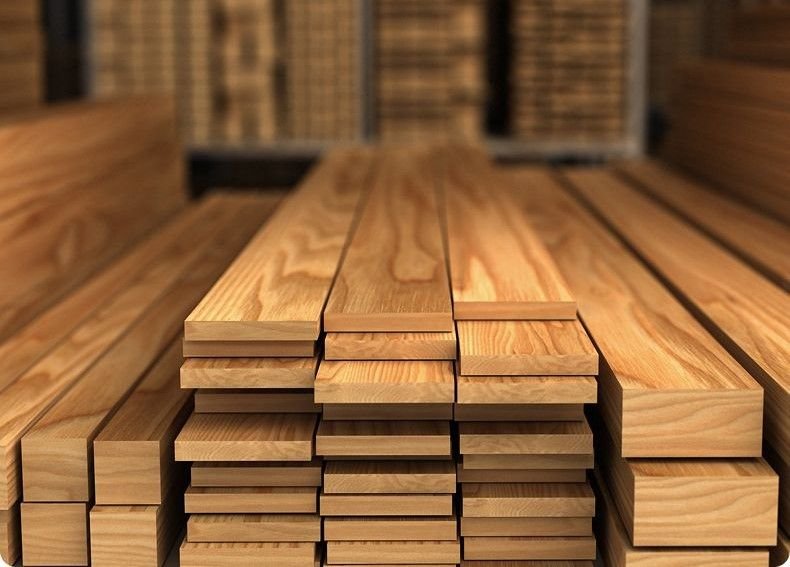
Most Important Types of Wood for Interior Design and Construction
A practical guide to the most common types of wood used in interior design, furniture and construction, from oak and walnut to pine, plywood and MDF, with their main characteristics and applications.
Wood is one of the most versatile materials used in architecture, interior design and furniture. Different species and engineered wood products vary significantly in appearance, hardness, dimensional behavior and suitable applications, so choosing wood should be based on more than color alone.
The USDA Forest Products Laboratory notes that differences in wood's cellular structure and composition give different species their distinctive physical characteristics, including hardness, weight, stiffness and flexibility.
Source: USDA Forest Service – Wood Handbook: https://research.fs.usda.gov/fpl/wood-handbookNatural Wood: Hardwood and Softwood
Natural wood is commonly divided botanically into hardwoods and softwoods. Hardwoods come from broad-leaved trees such as oak, maple and walnut, while softwoods generally come from conifers such as pine, cedar, fir and spruce.
The terms do not provide an absolute measure of actual hardness; individual species have different physical properties and should be selected according to the intended application.
Source: American Hardwood Information Center – Types of Wood: https://www.hardwoodinfo.com/consumer/types-of-wood/1. Oak
Oak is one of the best-known hardwoods in architecture and furniture. Both white and red oak are widely used, with distinctive grain patterns and good strength.
Common applications include:
Flooring
Furniture
Cabinets
Doors
Stairs
Wall paneling
Architectural millwork
Oak is particularly suitable when the design calls for a clearly visible natural wood grain.
2. Walnut
Walnut is recognized for its rich brown color, which can range from lighter brown to dark chocolate tones. Its grain is generally straight but can also develop attractive wavy or curly patterns.
It is commonly used for high-quality furniture, cabinetry, doors, flooring, paneling and architectural millwork. The American Hardwood Information Center also notes its good dimensional stability and finishing characteristics.
Source: American Hardwood Information Center – Walnut: https://www.hardwoodinfo.com/specifying-professionals/species-guide/species-guide-a-g/walnut/3. Maple
Maple is valued for its relatively light appearance and fine texture. Hard maple is particularly hard and has good resistance to abrasion and wear.
This makes it useful for:
Flooring
Kitchen cabinets
Worktops
Furniture
Stairs and handrails
Doors
Interior millwork
Source: American Hardwood Information Center – Hard Maple: https://www.hardwoodinfo.com/specifying-professionals/species-guide/species-guide-h-z/hard-maple/
4. Beech
Beech is another hardwood frequently used in furniture and interior applications. It generally has a relatively uniform texture and is suitable where a clean, understated wood appearance is desired.
It is commonly considered for furniture, flooring, cabinetry and interior woodwork.
5. Pine
Pine is a softwood and is generally easier to machine than many dense hardwoods. It is widely used in construction and also appears in furniture and decorative applications.
Depending on the species, grade and treatment, pine may be used for:
Structural framing
Furniture
Interior joinery
Doors
Shelving
Decorative elements
The American Hardwood Information Center identifies pine among the widely available softwoods and notes that softwoods are commonly used as structural lumber.
Source: American Hardwood Information Center – Types of Wood: https://www.hardwoodinfo.com/consumer/types-of-wood/6. Cedar
Cedar is a softwood known for its distinctive appearance and aroma. Different cedar species have different properties, so the exact product and intended exposure conditions should always be checked before specification.
Cedar is frequently associated with cladding, exterior details, furniture and decorative applications.
7. Plywood
Plywood is not a single natural wood species. It is an engineered wood panel manufactured from thin wood veneers bonded together, with adjacent layers generally oriented in different directions.
This construction gives plywood good dimensional stability and a useful strength-to-weight ratio. Depending on its grade and classification, plywood can be used for furniture, cabinetry, flooring, wall and roof sheathing, concrete formwork and other applications.
Source: APA – The Engineered Wood Association: https://www.apawood.org/plywoodIt is important to select the correct plywood grade for the intended application, particularly where structural performance or moisture exposure is involved.
8. MDF
Medium Density Fiberboard, or MDF, is an engineered wood-based panel rather than solid timber. Its smooth and uniform surface makes it particularly practical for painted furniture, cabinets, decorative panels and CNC-routed details.
Typical applications include:
Painted cabinetry
Wardrobes
Decorative wall panels
Shelving
Interior doors and details
CNC-cut decorative elements
MDF products differ in density, moisture performance and other characteristics, so the appropriate grade should be selected according to the project.
Natural Wood or Engineered Wood?
Neither option is automatically better.
Natural woods such as oak and walnut provide genuine grain, color variation and distinctive visual character. Engineered products such as plywood and MDF provide different advantages in panel-based fabrication and can be more practical for certain furniture and construction applications.
Engineered wood is also a broad category that includes plywood, OSB, Glulam, I-joists and other products designed for specific applications.
Source: APA – Engineered Wood Products: https://www.apawood.org/productsHow to Choose the Right Wood
Before specifying a wood or wood-based panel, consider:
Intended application
Required strength and hardness
Interior or exterior exposure
Moisture conditions
Desired grain and color
Surface finish
Machining requirements
Maintenance
Budget
Manufacturer's product specifications
Moisture is particularly important because wood interacts with environmental humidity and can undergo dimensional changes. The USDA Wood Handbook covers moisture relationships and dimensional behavior as fundamental considerations when designing with wood.
Source: USDA Forest Service – Wood Handbook: https://research.fs.usda.gov/treesearch/62200Conclusion
There is no single wood that is ideal for every project. Oak and walnut are popular choices when natural appearance is important, maple offers hardness and a lighter aesthetic, while pine provides a widely used softwood option. Engineered products such as plywood and MDF serve different purposes in furniture, interior fit-out and construction.
Understanding the appearance, physical properties and intended use of each material helps designers make better choices instead of selecting wood based only on color or price.
Related articles
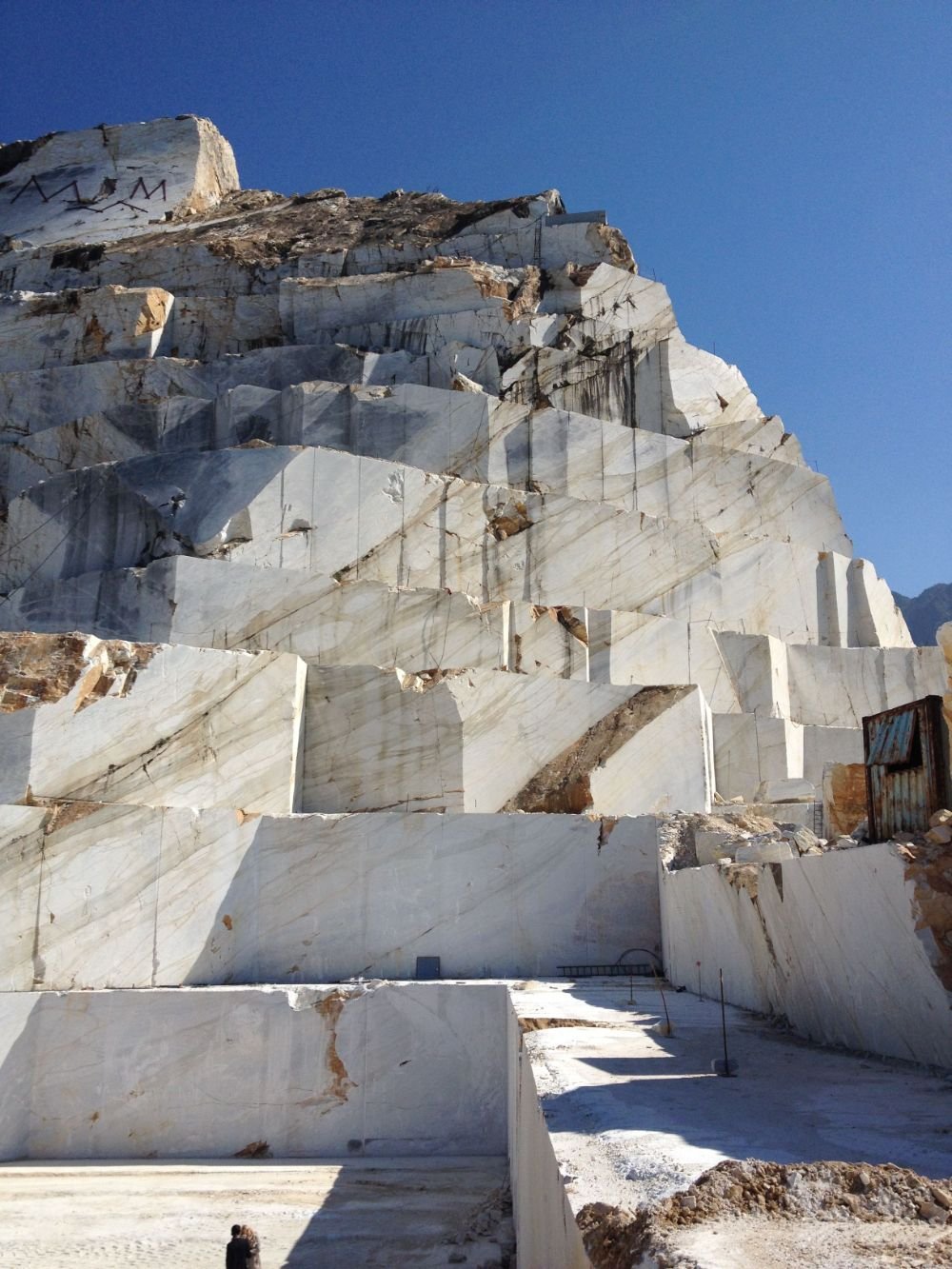
How Is Natural Marble Extracted from Mountains?
Natural marble reaches our floors, walls and countertops only after a carefully controlled quarrying process. Here is a quick look at how massive marble blocks are extracted from mountains and transformed into usable slabs.
Read article →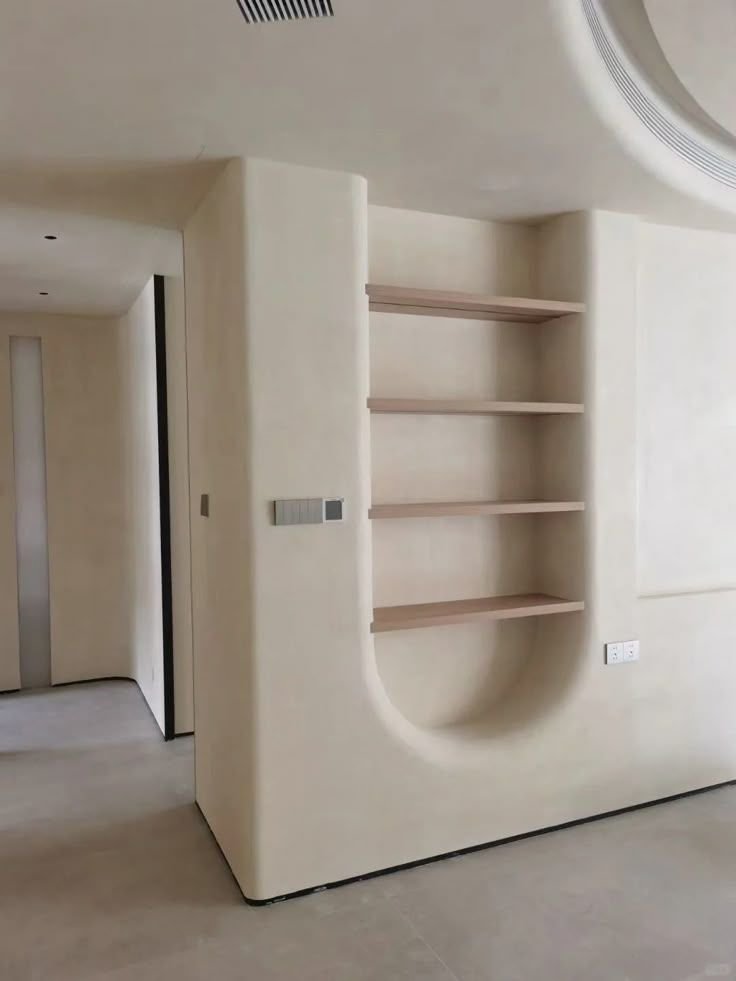
Microcement: Uses, Advantages and Key Considerations
Microcement is a thin decorative coating used to create seamless contemporary surfaces on floors, walls and furniture. Here is a quick guide to its uses, advantages and installation considerations.
Read article →
Waterproofing Methods: Main Types and Applications in Buildings
Waterproofing protects buildings from water penetration and moisture-related damage. Learn the main waterproofing methods used for roofs, bathrooms, foundations, basements and other critical areas.
Read article →