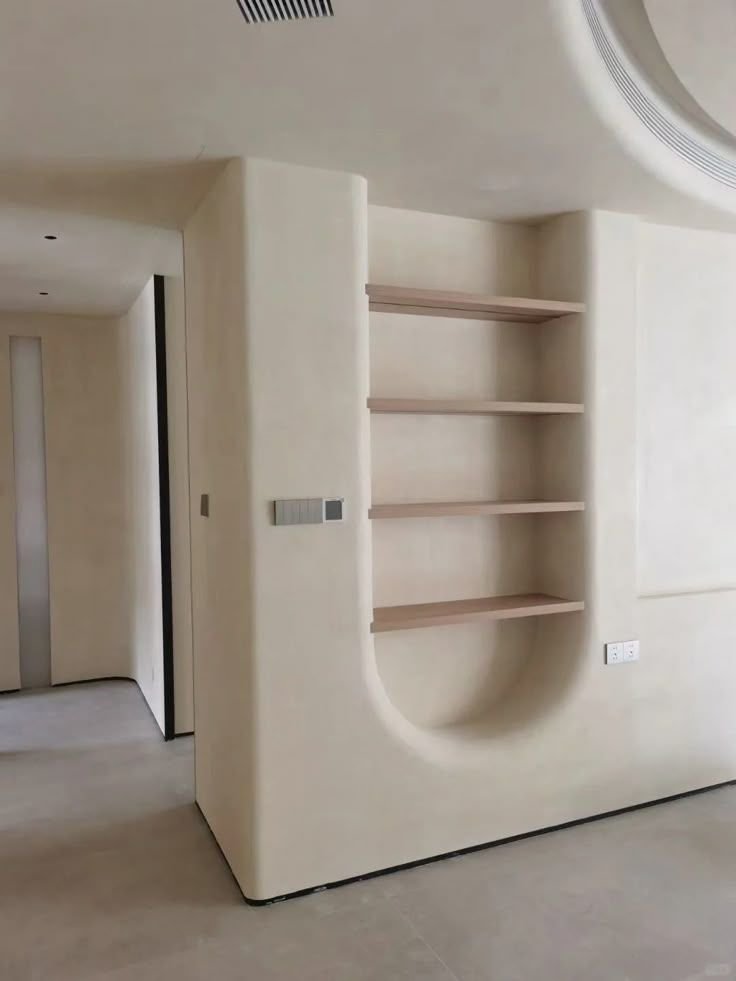
Microcement: Uses, Advantages and Key Considerations
Microcement is a thin decorative coating used to create seamless contemporary surfaces on floors, walls and furniture. Here is a quick guide to its uses, advantages and installation considerations.
Microcement has become a popular finish in contemporary interior design because it creates continuous surfaces with minimal visible joints and a distinctive cement-like appearance.
What Is Microcement?
Microcement is a thin decorative cement-based coating formulated with components such as cement, polymers, aggregates and pigments, depending on the manufacturer and system.
Unlike conventional concrete finishes, microcement is applied in relatively thin layers over a properly prepared substrate. Manufacturers such as Topciment describe their microcement systems as continuous decorative coatings suitable for surfaces including floors and walls.
Source: Topciment – Microcement
https://www.topciment.com/en/microcementsWhere Is Microcement Used?
Depending on the selected product system, microcement can be used for:
Floors
Interior walls
Bathrooms
Kitchens
Stairs
Furniture and counters
Commercial interiors
Its continuous appearance makes it particularly suitable for minimalist, industrial and contemporary interiors.
Main Advantages
One of microcement's main design advantages is the ability to create a visually continuous finish with very few visible joints. It is also available in different colors and textures.
Because the coating is thin, some systems can be applied over suitable existing substrates, potentially reducing the need to remove the original finish. However, the existing surface must be stable and properly prepared.
Source: Topciment – Microcement
https://www.topciment.com/en/microcementsImportant Considerations
The final quality of microcement depends heavily on substrate preparation and correct application. Cracks, movement, moisture or instability in the substrate can affect the finished surface.
In wet areas, the complete specified system—including waterproofing where required and the correct protective sealer—should be followed rather than assuming that the decorative coating alone provides the required waterproofing.
Conclusion
Microcement is an attractive option for modern interiors where a seamless cement-like appearance is desired. It can be used across floors, walls and architectural details, but successful results depend on selecting the correct system, preparing the substrate properly and following the manufacturer's installation requirements.
Related articles
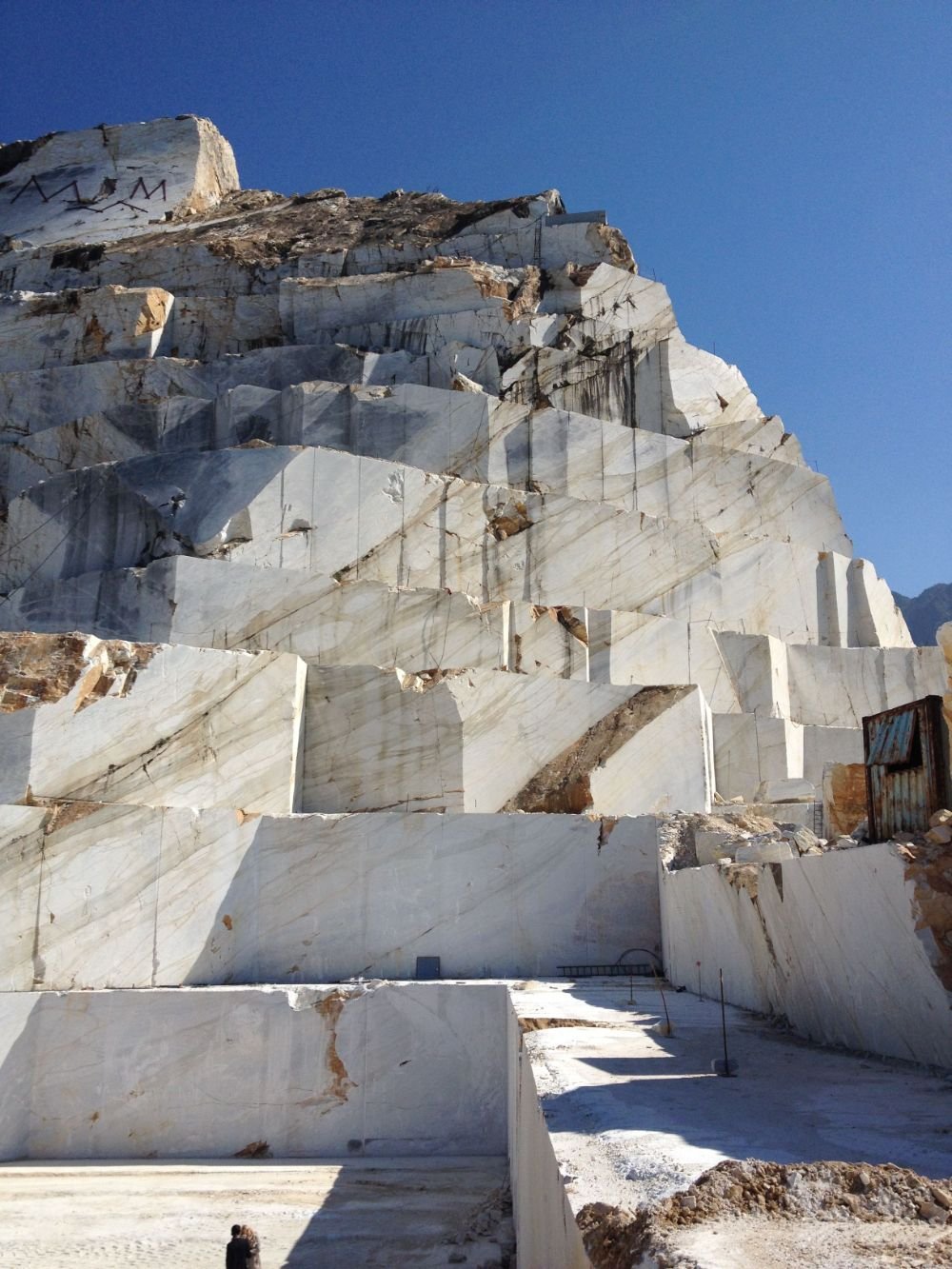
How Is Natural Marble Extracted from Mountains?
Natural marble reaches our floors, walls and countertops only after a carefully controlled quarrying process. Here is a quick look at how massive marble blocks are extracted from mountains and transformed into usable slabs.
Read article →
Waterproofing Methods: Main Types and Applications in Buildings
Waterproofing protects buildings from water penetration and moisture-related damage. Learn the main waterproofing methods used for roofs, bathrooms, foundations, basements and other critical areas.
Read article →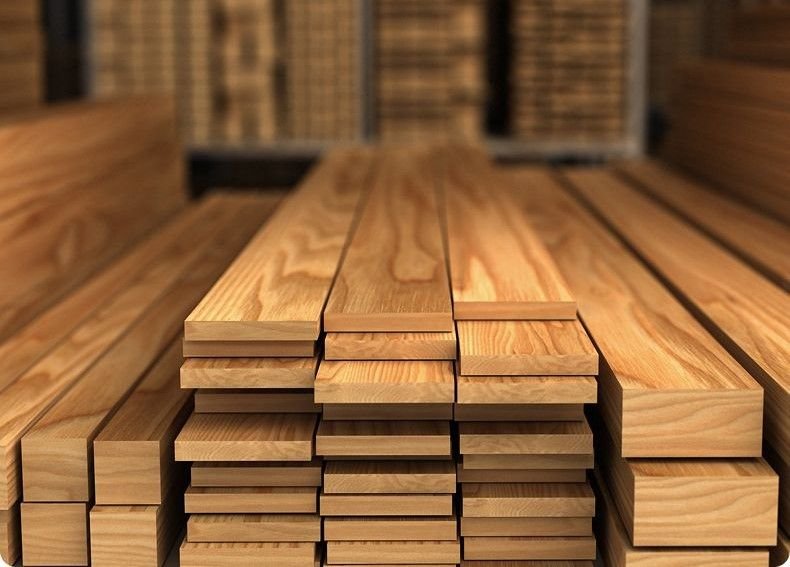
Most Important Types of Wood for Interior Design and Construction
A practical guide to the most common types of wood used in interior design, furniture and construction, from oak and walnut to pine, plywood and MDF, with their main characteristics and applications.
Read article →