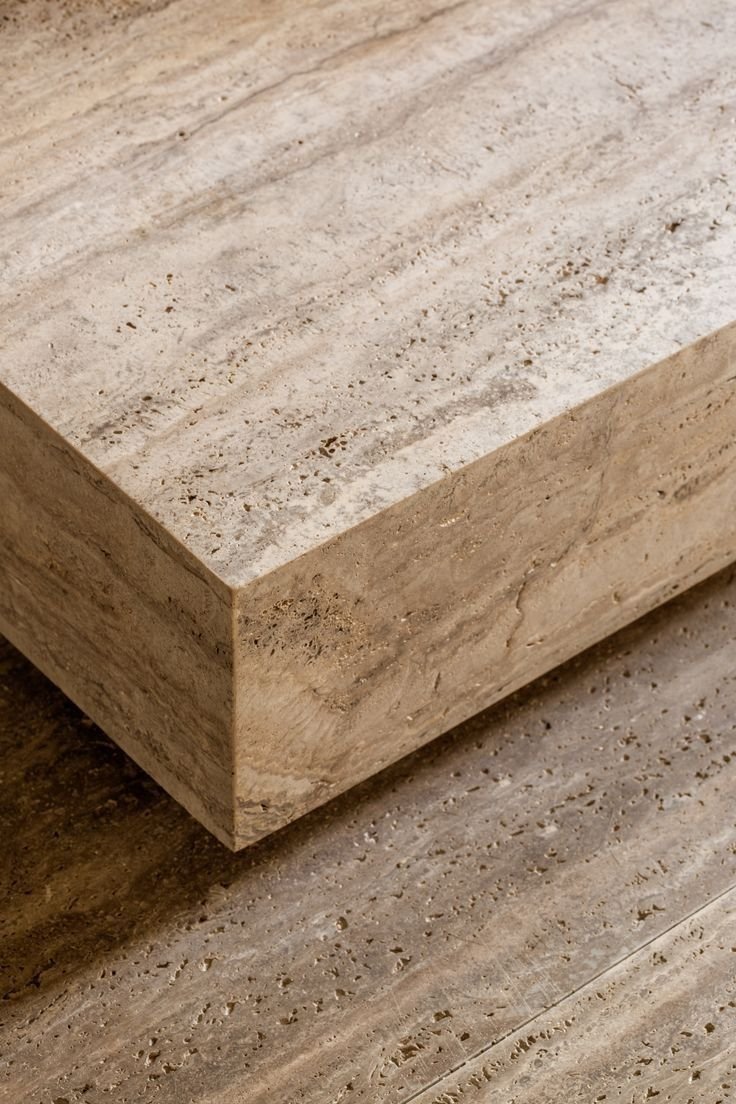
Travertine Stone: Characteristics, Uses, Advantages and Considerations
Travertine is a distinctive natural stone widely used in architecture and interior design. Learn about its formation, finishes, common applications, advantages, and the key considerations before specifying it for a project.
Travertine is one of the most recognizable natural stones in architecture and interior design. Its warm colors, natural pores and distinctive patterns make it particularly suitable for projects seeking a natural, timeless appearance.
What Is Travertine?
Travertine is a type of limestone composed primarily of calcium carbonate. It forms when calcium-carbonate-rich water reaches the surface and releases carbon dioxide, causing calcium carbonate to precipitate and gradually create stone deposits. The U.S. Geological Survey describes travertine as a form of limestone composed of calcite and aragonite, both forms of calcium carbonate. (Source: U.S. Geological Survey – Travertine: Yellowstone’s Hydrothermal Timekeeper)
This formation process gives travertine one of its defining characteristics: visible pores and cavities. These are part of the stone's natural structure rather than manufacturing defects.
Appearance and Colors
Travertine is commonly associated with warm, earthy tones such as beige, cream, ivory, light brown and gray. Variations in mineral composition and formation conditions can produce noticeable differences between individual slabs.
Its visual character also changes according to how the block is cut. Depending on the cut and finish, the surface can display linear bands or a more irregular, cloud-like pattern.
For designers, this natural variation is part of travertine's appeal, but slabs should ideally be reviewed and coordinated before installation when visual consistency is important.
Where Is Travertine Used?
Travertine can be incorporated into many architectural and interior applications, including:
Interior flooring
Feature walls
Entrance areas
Staircases
Bathroom walls and floors
Fireplace surrounds
Building façades and wall cladding
Patios, terraces and selected outdoor areas
Custom architectural details
The appropriate stone thickness, finish, fixing system and installation method should always be selected according to the application and project conditions.
Common Travertine Finishes
Travertine can have very different appearances depending on its surface treatment.
Honed travertine has a smooth, relatively matte surface and is popular in contemporary interiors.
Polished travertine has a more reflective appearance that emphasizes the stone's colors and patterns.
Brushed or textured finishes provide a more rustic character and may be considered for applications where a less glossy surface is preferred.
Travertine can also be supplied with its natural holes visible or with cavities filled to produce a more uniform surface.
Advantages of Travertine
One of travertine's strongest advantages is its natural aesthetic. No two pieces are completely identical, helping create surfaces with depth and material authenticity.
Its neutral colors also combine easily with wood, glass, metal, concrete and other natural materials. This makes it suitable for styles ranging from Mediterranean architecture to minimalist and contemporary interiors.
Travertine can also be used across multiple surfaces within the same project, allowing designers to establish visual continuity between floors, walls, stairs and architectural details.
Important Considerations
Travertine is naturally porous, so the intended application, surface finish and maintenance requirements need to be considered carefully.
A suitable impregnating sealer may be recommended for some installations to improve resistance to staining. However, the Natural Stone Institute notes that sealing makes stone more stain-resistant rather than completely stain-proof, and not every natural stone installation necessarily requires sealing. (Source: Natural Stone Institute – Natural Stone Care)
Because travertine is a calcium-carbonate stone, acidic cleaning products require particular attention. The Natural Stone Institute warns that products containing lemon, vinegar or other acids may dull or etch calcareous stones. Neutral cleaners suitable for natural stone are therefore generally preferable. (Source: Natural Stone Institute – Cleaning Products for Natural Stone)
Travertine in Contemporary Design
Travertine has moved well beyond traditional classical applications. Large-format slabs, simple detailing and matte finishes allow the material to work particularly well in modern villas, luxury bathrooms, reception spaces and minimalist interiors.
Using the same or closely matched travertine across several surfaces can create a monolithic architectural effect while retaining the warmth and variation of natural stone.
Conclusion
Travertine combines natural texture, warm colors and distinctive geological character, making it a versatile material for architecture and interior design. Its pores and tonal variations are fundamental parts of its appearance, but they also make correct selection, installation and maintenance important.
When the finish and application are chosen carefully, travertine can provide a sophisticated and timeless surface for both traditional and contemporary projects.
Related articles
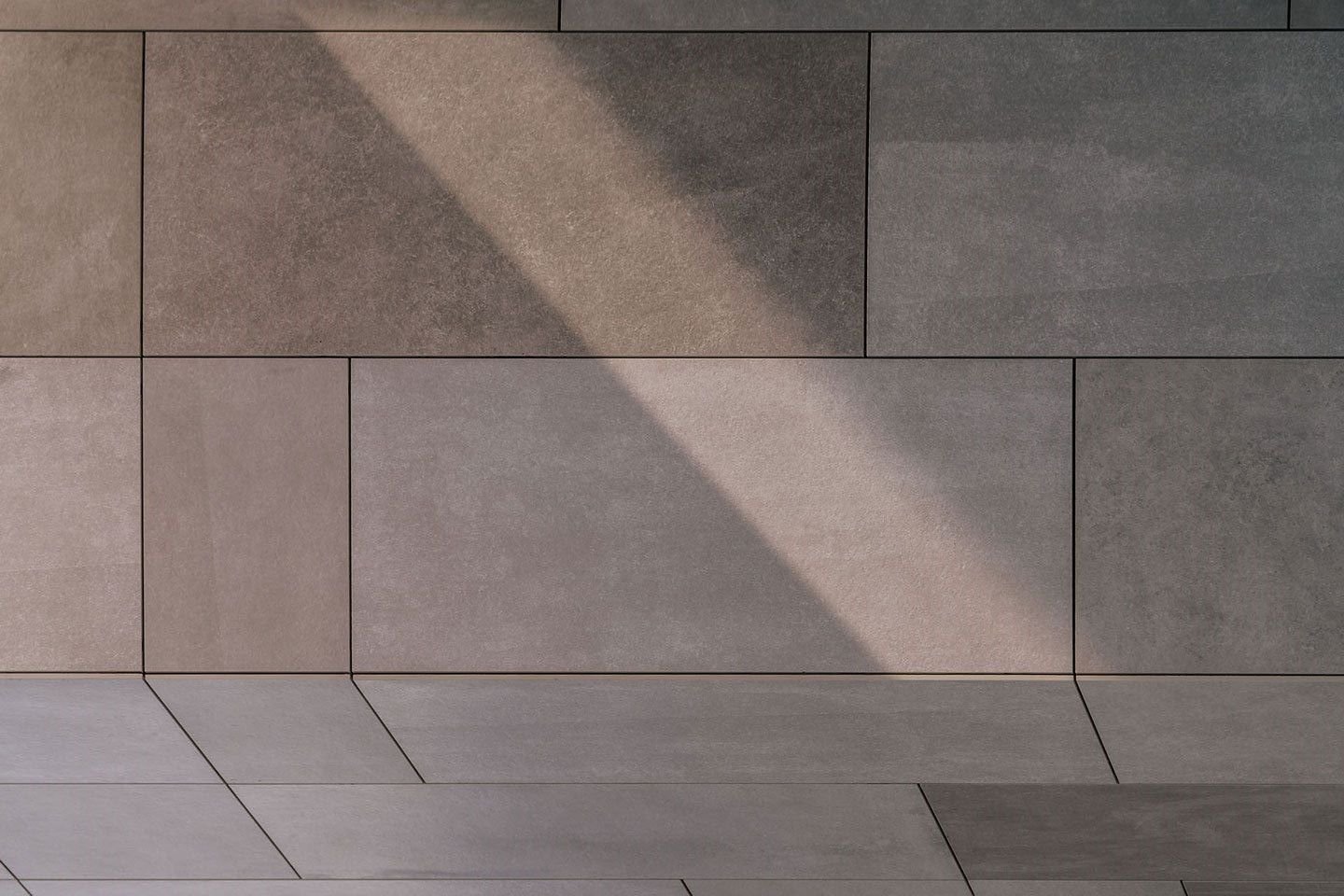
Best Flooring Types for Residential Villas
Choosing the right flooring for a villa requires balancing appearance, durability, maintenance, and the function of each space. Here are the most common options and where they work best.
Read article →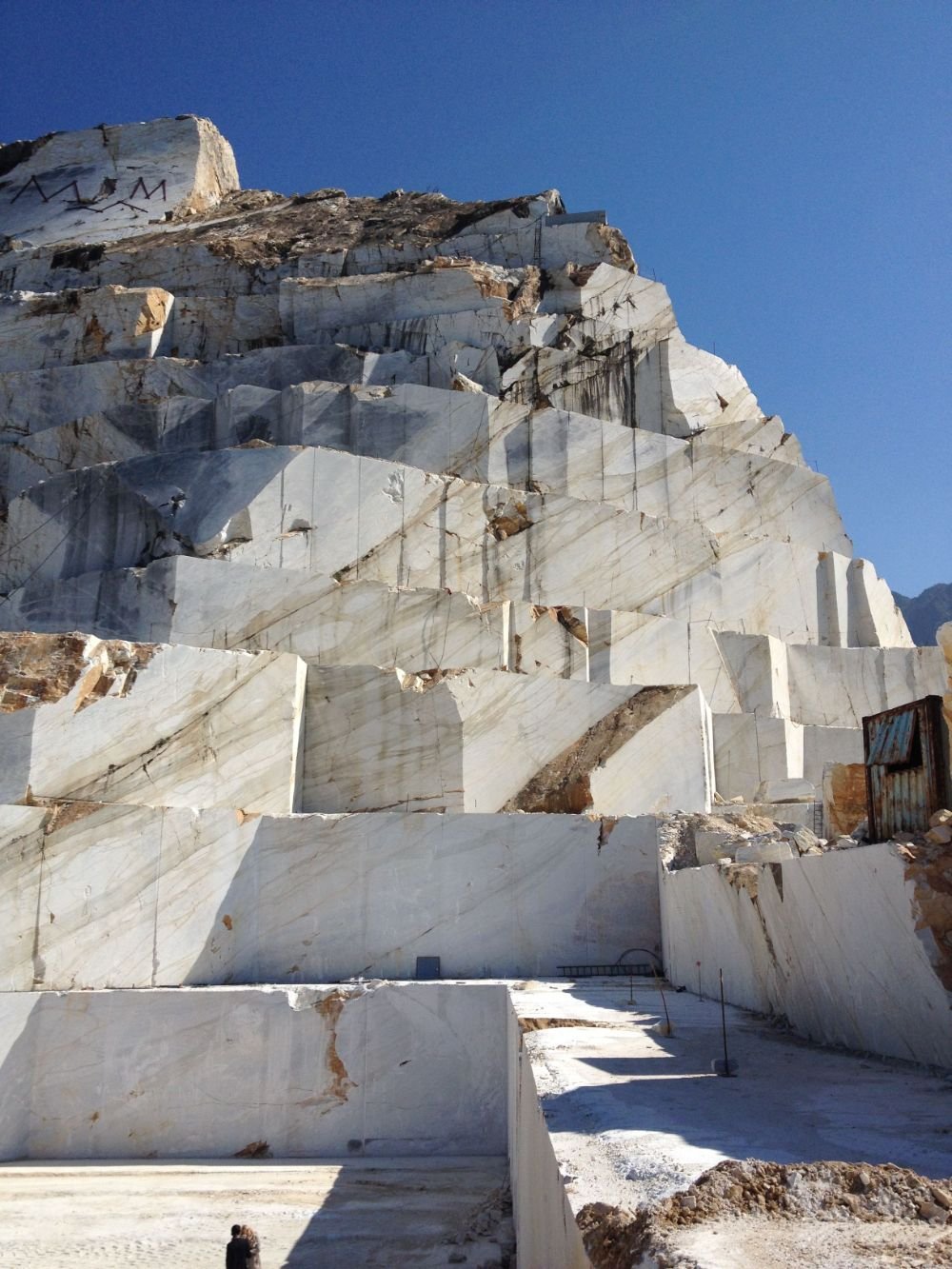
How Is Natural Marble Extracted from Mountains?
Natural marble reaches our floors, walls and countertops only after a carefully controlled quarrying process. Here is a quick look at how massive marble blocks are extracted from mountains and transformed into usable slabs.
Read article →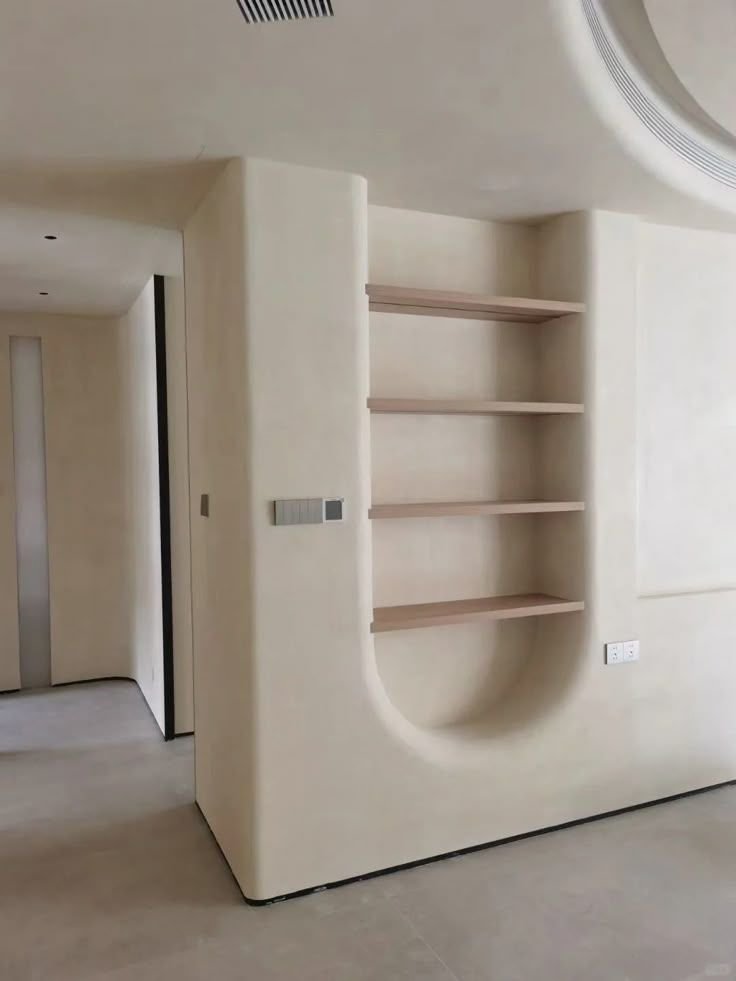
Microcement: Uses, Advantages and Key Considerations
Microcement is a thin decorative coating used to create seamless contemporary surfaces on floors, walls and furniture. Here is a quick guide to its uses, advantages and installation considerations.
Read article →